
Blog / Mitsubishi Outlander

Blog

All Mitsubishi Outlander Goodyear Mitsubishi Dealer Goodyear Used Cars Yates Mitsubishi Service All-Wheel Drive Technology Car Maintenance Tips Engine Maintenance Mitsubishi AWC Mitsubishi AWD Mitsubishi Financing Mitsubishi Maintenance Mitsubishi SUV Technology Oil Change Vehicle Traction & Handling Yates Mitsubishi
A white Mitsubishi Outlander PHEV SUV parked on an open asphalt ground with a misty forest background.

Mitsubishi All-Wheel Control vs. All-Wheel Drive: What's the Real Difference?

If you’ve been shopping for a new vehicle with serious grip for your drives around Goodyear, Arizona, you’ve probably been leaning toward all-wheel drive vehicles. Mitsubishi offers something else—All-Wheel Control and Super All-Wheel Control. But what makes it better, and what does it mean for you as a driver? We’ll explain the features of both so you can make the right choice. What is All-Wheel Drive? Before comparing Mitsubishi All-Wheel Control to all-wheel drive, it helps to know what AWD actually does. So what is AWD? In short, it's a system that sends power to all 4 wheels simultaneously or on demand, helping your vehicle maintain traction when road conditions get slippery. Most automakers offer some version of AWD, and while it’s a genuine improvement over front-wheel drive, not all systems work the same way. Standard AWD setups are often reactive—meaning they respond after wheel slip is detected. This can result in a slight delay before traction is restored, which matters most during sharp turns or sudden acceleration on loose surfaces. What Is Mitsubishi All-Wheel Control? So, what is Mitsubishi AWC? AWC stands for All-Wheel Control, and it’s Mitsubishi's proprietary approach to managing traction and vehicle dynamics. Rather than simply distributing power to all 4 wheels, AWC actively monitors and adjusts torque distribution between wheels in real time, sending power to the wheel with the most grip—before wheel slip even occurs. This proactive approach means the system can anticipate changes in grip based on steering input, throttle position, and road conditions. The result is handling that feels more confident and composed, whether you're navigating a rain-slicked highway or a gravel-covered back road. Super AWC is available on several Mitsubishi models. This is an enhanced version of the technology that integrates several systems for maximum grip. These include Active Yaw Control for right and left torque vectoring when cornering, 4WD torque distribution between the front and rear wheels, Active Stability Control, and ABS to help maintain steering control. It’s simply a more advanced version of Mitsubishi’s AWC. How AWC Enhances the Mitsubishi Lineup Mitsubishi's AWC technology is available across several models in the current lineup, including the 2026 Outlander and the 2026 Outlander Plug-in Hybrid. These vehicles pair AWC with other advanced features to deliver a driving experience that goes beyond basic traction assistance. The 2026 Outlander Plug-in Hybrid, for example, uses twin electric motors to deliver precise torque control to the front and rear wheels independently. This setup is a natural match for AWC, allowing the system to manage power distribution with a level of accuracy that traditional mechanical AWD systems simply cannot match. It's one reason the Outlander PHEV has earned recognition, including being co-named the 2026 Family Green Car of the Year by Green Car Journal. Which System Is Right for You? If you're driving mostly on dry city streets and in mild weather, standard AWD may meet your needs. But if you want a system that actively works with your driving style, Mitsubishi AWC and Super AWC provide a real advantage. For families and commuters in Goodyear, AZ, who deal with everything from dusty desert roads to occasional monsoon-season rain, AWC offers added confidence where it counts. Visit Yates Mitsubishi to Feel the Difference The best way to understand what Mitsubishi AWC can do is to feel it in person. Explore the current lineup, ask questions, and schedule a test drive. Whether you're drawn to the versatile Outlander or the efficiency of the Outlander PHEV, the team is ready to help you find the right fit.

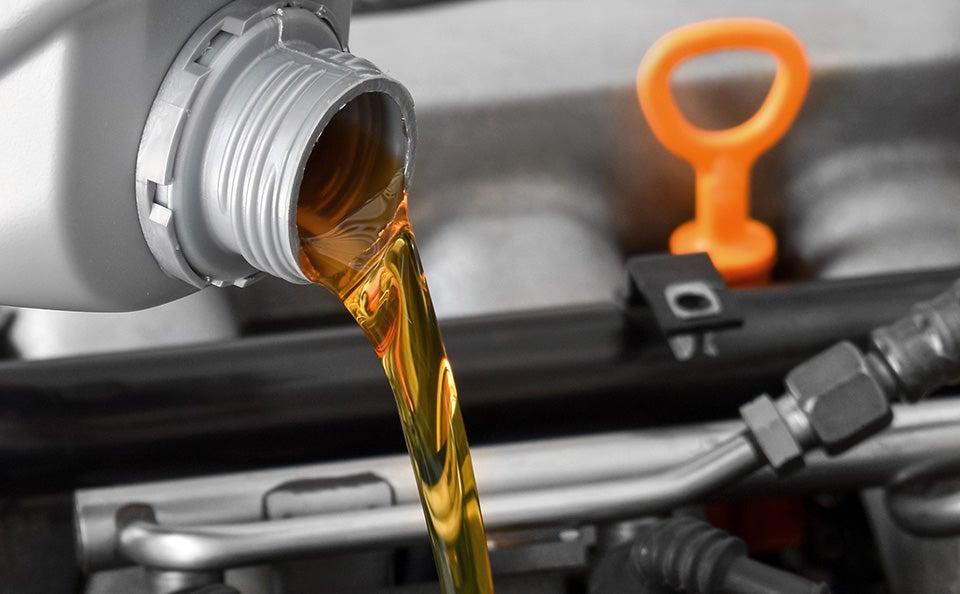
Engine oil is being poured in to the vehicle engine

What Kind of Oil Does a Mitsubishi Outlander Take?

If you're thinking about servicing your Mitsubishi Outlander, you might be wondering what kind of oil it takes. It's one of the most common maintenance questions Outlander owners have, and getting it right matters more than most people realize. Using the correct oil helps protect your engine, maintain performance, and keep your warranty intact. For drivers in Goodyear, Arizona, the difference can make a serious impact on your vehicle’s performance and your warranty terms. What Kind Of Oil Does Your Mitsubishi Outlander Need? The Mitsubishi Outlander oil type you need depends on the model year and engine configuration in your vehicle. Most Outlander models are designed to use full synthetic 0W-20 motor oil, which provides strong protection across a wide range of temperatures and driving conditions. Some older or differently configured Outlander trims may call for 5W-30, so it's always worth checking your owner's manual for the exact specification tied to your engine. Using the wrong viscosity can reduce efficiency and potentially cause long-term engine wear, so this is one area where you don't want to guess. How Much Oil Does a Mitsubishi Outlander Hold? Mitsubishi Outlander oil capacity can vary slightly depending on the engine and model year, but most Outlanders hold between 4.5 and 5.1 quarts of oil. When performing an oil change, it's important to add oil gradually and check the dipstick to make sure you're within the proper range. Overfilling can cause just as many problems as running low, including foaming and pressure issues that affect engine performance. How Often Should You Change Oil in Your Outlander? For drivers who ask what kind of oil an Outlander takes, the follow-up question is usually about change intervals. Most modern Outlanders using full synthetic oil can go up to 7,500 to 10,000 miles between oil changes, though your driving habits play a role. Frequent short trips, extreme temperatures, or towing can shorten that interval. If you're unsure, the Mitsubishi Outlander maintenance light or your owner's manual will help guide you. You may also see a maintenance reminder on your dashboard—and that shouldn’t be ignored. Why the Right Oil Matters for Your Outlander Sticking with the recommended Mitsubishi Outlander oil type isn't just about performance—it also has implications for your warranty coverage. Mitsubishi backs its vehicles with a 10-Year/100,000-Mile Powertrain Limited Warranty, and following factory maintenance guidelines is part of keeping that coverage in good standing. Proper oil selection reduces friction, helps regulate engine temperature, and extends the overall life of your powertrain, and Mitsubishi is serious about your vehicle’s longevity. Let the Experts Handle It for You Knowing what kind of oil an Outlander takes is one of the simplest ways to protect your investment. Stick with the factory-recommended full synthetic oil, follow the correct Mitsubishi Outlander oil capacity guidelines, and change it on schedule. When it's time for your next oil service, Yates Mitsubishi is ready to help you keep your Outlander running at its best.

Contact Us

Fill out this form below and we'll contact you shortly
*Required Fields